Laser Toenail Fungus Treatment in Chicago, IL
Tired of thick, discolored, or crumbling toenails? Our FDA-cleared laser therapy destroys the fungal infection at its source — no oral medications, no liver side effects, no downtime. Available at all 4 Chicagoland locations.
Cleared Technology
Side Effects
Per Session
Chicagoland Locations
What Is Toenail Fungus (Onychomycosis)?
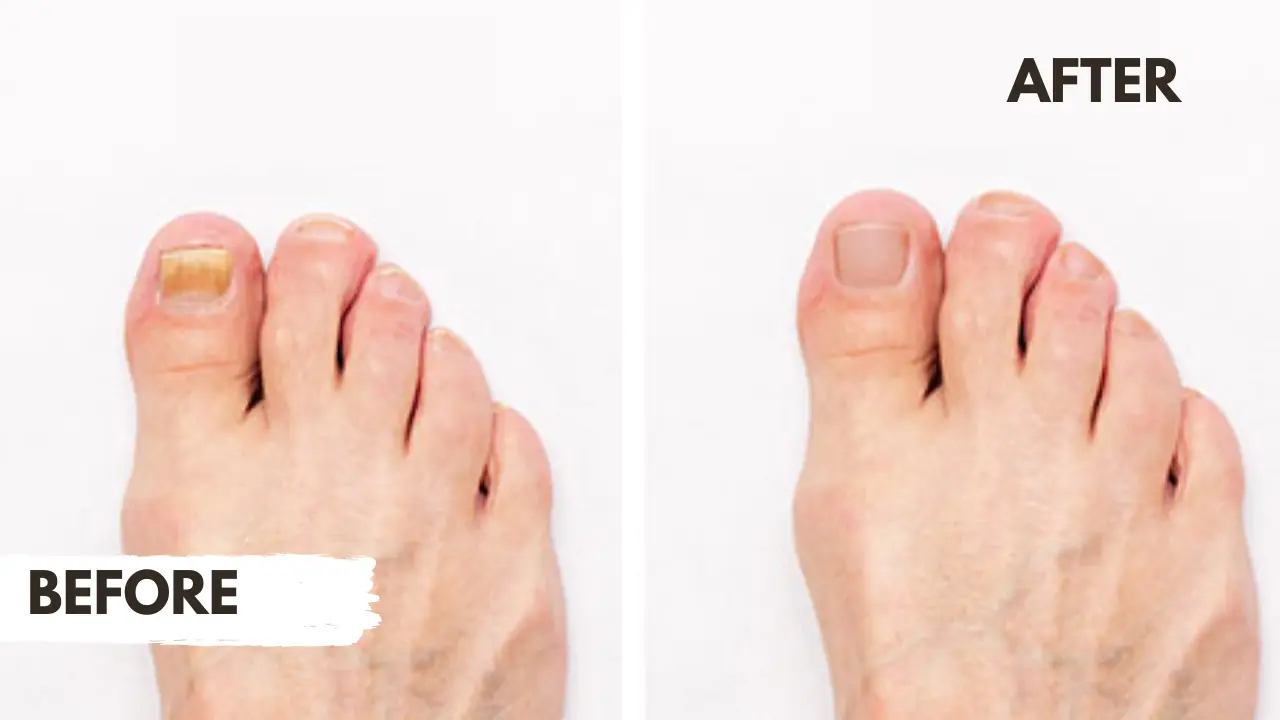
Toenail fungus — medically known as onychomycosis — is one of the most common nail conditions in the United States, affecting an estimated 10% of the population. It’s caused by dermatophytes, yeasts, or molds that invade the nail plate and nail bed.
The infection thrives in warm, moist environments like public pools, locker rooms, and sweaty shoes. Once established, it rarely resolves on its own and becomes progressively more difficult to treat without professional intervention.
Symptoms & Risk Factors
Recognizing toenail fungus early leads to faster, more effective treatment.
Thickened or Brittle Nails
Nails become noticeably thicker, making them difficult to trim. They may crumble or separate from the nail bed.
Yellow, Brown, or White Discoloration
The most visible sign of fungal infection — discoloration that spreads from the tip or edges of the nail toward the base.
Distorted Nail Shape
The nail may become warped, irregular, or ragged along the edges. Foul odor may develop in advanced cases.
Discomfort When Wearing Shoes
Thickened, distorted nails can press against the shoe, causing mild discomfort or pain during daily activities.
Why Laser Therapy Beats Oral Medications
Oral antifungal medications (like terbinafine) were the traditional first-line treatment — but they carry significant drawbacks: a 3–6 month treatment course, potential liver toxicity requiring blood monitoring, and high reinfection rates.
No Systemic Side Effects
Laser targets only the fungal infection in the nail. No liver stress, no drug interactions, no stomach upset.
No Downtime
No anesthesia, no bandaging, no recovery period. Resume all normal activities immediately after each session.
FDA-Cleared Technology
We use FDA-cleared laser systems proven safe and effective in clinical studies for onychomycosis treatment.
What to Expect During Treatment
The entire treatment is simple and comfortable. Here’s what happens during each session.
- Nail preparation: Your podiatrist will trim and debride the affected nails to maximize laser penetration.
- Laser application: The laser handpiece is moved over each infected nail for 30–60 seconds. You’ll feel a warming sensation — most patients find it very tolerable.
- Treatment time: All 10 toenails can be treated in approximately 20–30 minutes.
- Aftercare instructions: You’ll receive guidance on antifungal sprays, shoe disinfection, and nail care to prevent reinfection.
- Sessions needed: Most patients need 3–4 sessions spaced 4–6 weeks apart. Mild infections may clear in 2 sessions.
- Results timeline: Clear nail growth emerges from the nail base over 6–12 months. Visible improvement within 3 months in most cases.
Sessions Typical
Per Session
Visible Improvement
Side Effects
Keeping Your Nails Fungus-Free
Successful laser treatment is just the beginning. Our podiatrists provide comprehensive guidance to prevent reinfection.
Shoe & Sock Hygiene
Apply antifungal spray to shoes after every use. Rotate shoes to allow them to dry completely. Wear moisture-wicking socks and change them daily.
Protect Your Feet
Wear sandals or flip-flops in public showers and pools. Avoid walking barefoot in gyms, locker rooms, and hotel rooms.
Proper Maintenance
Keep toenails trimmed short and clean. Avoid nail polish while treating an infection. Disinfect nail clippers and pedicure tools.
Medical Management
If diabetic, maintain good blood sugar control. Schedule follow-up visits to monitor regrowth and catch any early signs of recurrence.
Laser Nail Treatment Near You
Laser toenail fungus treatment is available at all 4 Michigan Avenue Podiatry Clinic locations.
Michigan Avenue — Chicago
30 North Michigan Avenue, Suite 1220, Chicago, IL 60602
Mon–Fri 8am–5pm
Elmhurst, IL
277 North York Street, Elmhurst, IL 60126
Mon–Fri 9am–5pm
Flossmoor, IL
19801 Governors Hwy #150, Flossmoor, IL 60422
Mon–Fri 9am–5pm
Tinley Park, IL
6703 W 159th Street, #107, Tinley Park, IL 60477
Mon–Fri 9am–5pm
Laser Nail Fungus Treatment Cost & Insurance
Laser treatment for nail fungus is considered a cosmetic procedure by most insurance plans and is typically not covered. However, it is one of the most effective treatments available — and many patients find the clear, confident results well worth the self-pay investment. We offer transparent self-pay pricing with no hidden fees.
What Insurance Typically Covers
- ✓Initial consultation and nail evaluation — may be covered
- ✓Oral antifungal medication (if prescribed) — typically covered by Rx benefit
- ✓KeryFlex nail restoration (cosmetic overlay) — self-pay
- ✓Laser treatment sessions — self-pay (cosmetic exclusion applies)
What Affects Your Out-of-Pocket Cost
- ·Number of affected nails being treated
- ·Severity of fungal infection (may require multiple sessions)
- ·Whether you also need KeryFlex nail restoration
- ·Follow-up visits for nail regrowth monitoring
Ask about self-pay pricing — no insurance needed.
Call us for our current self-pay rates. Multiple-nail pricing available.
Oral antifungal medications prescribed as part of your treatment plan are typically covered by your pharmacy benefit.
Frequently Asked Questions
Common questions about laser nail fungus treatment at Michigan Avenue Podiatry.
Clear, Healthy Nails Start Here
Same-day consultations available at all 4 Chicagoland locations. No referral needed. FDA-cleared laser therapy with zero side effects.
Medically reviewed by Dr. Mohammad Usman, D.P.M. — Podiatric Physician & Foot & Ankle Surgeon. Featured in Forbes, CNN, The Wall Street Journal, Bustle, and Medscape.