Athlete’s foot (Tinea Pedis): What It Is and How To Treat It
Athletes Foot is a common fungal infection that affects the skin on the feet. It’s particularly prevalent among athletes, hence the name. However, anyone can develop Athletes Foot, especially those who spend a lot of time in warm, moist environments.
This blog post delves into everything you need to know about Athletes Foot, from understanding its causes and symptoms to effective treatment options and prevention strategies.
What Causes Athletes Foot?
The culprit behind Athletes Foot is a group of fungi called dermatophytes. These fungi thrive in warm, moist environments and can easily spread through contact with contaminated surfaces or infected individuals. Here’s a breakdown of the common ways Athletes Foot spreads:- Direct contact: Walking barefoot on contaminated floors in locker rooms, showers, or swimming pools can lead to direct contact with the fungus.
- Sharing shoes or socks: Sharing shoes or socks with someone who has Athletes Foot is another way to contract the infection.
- Touching infected skin: Scratching an infected area and then touching another part of your body, like your feet, can spread the fungus.
Who’s Most at Risk for Athletes Foot?
While anyone can develop Athletes Foot, certain factors increase your risk:- Athletes: Due to their frequent use of sweaty shoes and exposure to moist environments, athletes are more prone to developing Athletes Foot.
- People who wear tight-fitting shoes: Shoes that trap moisture create a breeding ground for fungus. Opt for breathable footwear whenever possible.
- Those with sweaty feet: Excessive sweating creates ideal conditions for fungal growth.
- Individuals with weakened immune systems: People with compromised immune systems are more susceptible to fungal infections.
- People who share public showers or baths: Public bathing facilities can harbor the fungus, especially if proper hygiene practices aren’t followed.
Recognizing the Signs and Symptoms of Athletes Foot:
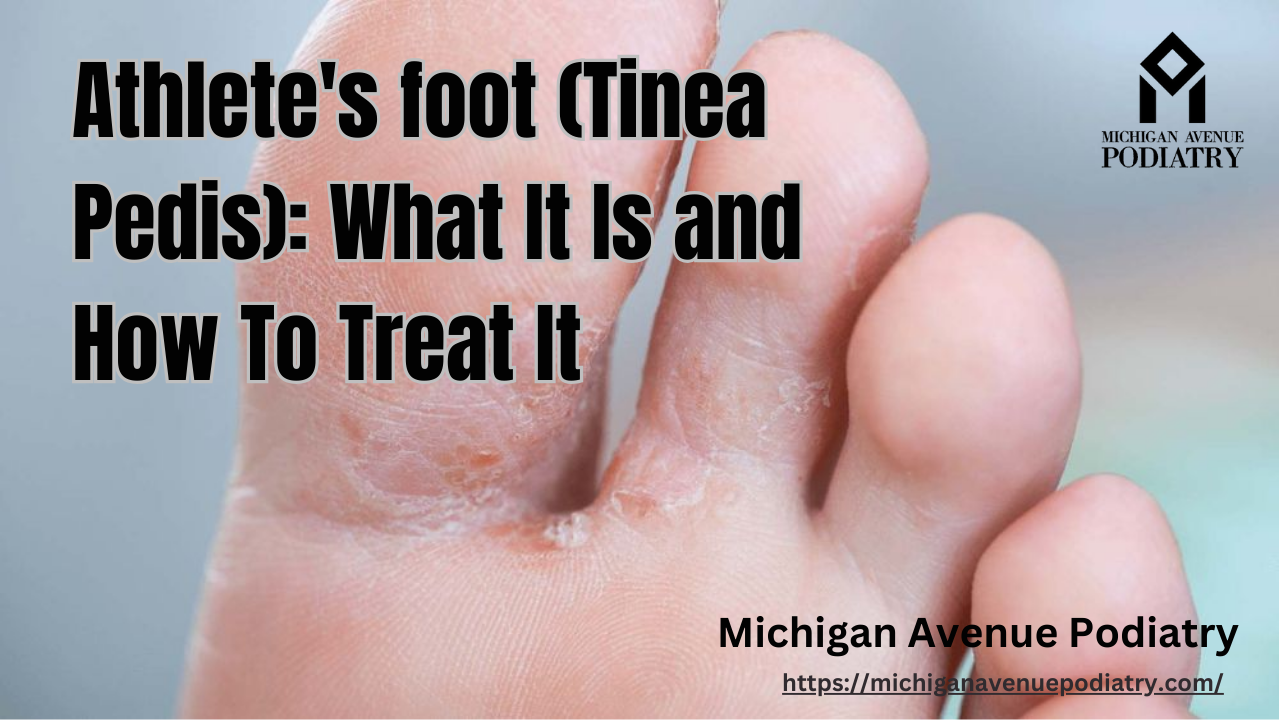
Athletes Foot often affects the areas between the toes, but it can also spread to the soles and sides of the feet. Here are some common signs and symptoms to watch out for:- Itching: This is the most frequent symptom, often described as intense and burning.
- Scaling and flaking: The affected skin may become dry, scaly, and flaky.
- Cracked skin: Deep cracks in the skin can develop, sometimes causing pain or discomfort.
- Burning sensation: A burning or stinging feeling, especially between the toes, is a common symptom.
- Redness and irritation: The infected area may appear red and inflamed.
- Blisters: In some cases, small, fluid-filled blisters may develop.
- Moisten skin: The affected area may become soft and soggy due to excessive moisture.
Seeking Help from a Podiatrist:
If you suspect you have Athletes Foot, it’s crucial to seek professional help from a podiatrist. A podiatrist is a doctor specializing in foot and ankle conditions. They can diagnose the infection through a physical examination and possibly a skin scraping test to confirm the presence of fungus. Early diagnosis and treatment are essential for preventing complications and ensuring a speedy recovery. Your podiatrist will recommend the best course of treatment based on the severity of your infection.Treatment Options for Athletes Foot:
Most cases of Athletes Foot respond well to over-the-counter antifungal medications. These come in various forms, including:- Antifungal creams: Clotrimazole, miconazole, terbinafine, and tolnaftate are common antifungal creams effective against Athletes Foot.
- Antifungal sprays: Sprays can be convenient for reaching areas between the toes. Follow the instructions carefully for optimal results.
- Antifungal powders: Powders can help absorb moisture, creating a less favorable environment for the fungus.
Here’s what you can expect during treatment:
- Duration: Antifungal medications typically need to be applied for at least 2-4 weeks, even after symptoms subside. This ensures complete eradication of the fungus.
- Application: Apply the medication as directed by your podiatrist, usually once or twice daily after thoroughly drying your feet.
- Hygiene: Maintaining good foot hygiene is essential during treatment. Wash your feet daily with warm, soapy water and dry them thoroughly, especially between the toes.
Home Remedies for Athletes Foot:
While not a substitute for professional treatment, certain home remedies can be used alongside medication to alleviate symptoms and promote healing:- Saltwater soaks: Soaking your feet in a saltwater solution (1 tablespoon of table salt dissolved in warm water) for 15-20 minutes a day can help dry the skin and reduce itching.
- Tea tree oil: Tea tree oil has natural antifungal properties. However, it can be irritating to the skin. Dilute a few drops of tea tree oil in a carrier oil like olive oil before applying it to the affected area. Do a patch test on a small area of your foot first to check for sensitivity.
- Apple cider vinegar: Apple cider vinegar can help restore the natural pH balance of your skin, creating a less hospitable environment for fungus. Dilute apple cider vinegar with water in equal parts and soak your feet for 10-15 minutes.
Preventing Athletes Foot:
The good news is that Athletes Foot is largely preventable. Here are some effective strategies to keep those feet fungus-free:- Practice good foot hygiene: Wash your feet daily with warm, soapy water, paying special attention to the areas between your toes. Dry your feet thoroughly, especially between the toes, before putting on socks and shoes.
- Wear breathable shoes and socks: Opt for shoes and socks made from breathable materials like cotton or wool. Change your socks daily, especially if your feet sweat a lot.
- Avoid tight-fitting shoes: Tight-fitting shoes trap moisture, creating a breeding ground for fungus. Choose shoes that fit comfortably and allow your feet to breathe.
- Don’t share shoes or socks: Sharing shoes or socks with someone who has Athletes Foot or anyone else is a big no-no.
- Wear shower shoes in public places: Wear shower shoes in public areas like locker rooms, showers, and swimming pools to minimize contact with potentially contaminated surfaces.
- Keep your feet dry: Avoid wearing wet shoes or socks for extended periods. If your feet get sweaty, take them off and allow them to air out.
- Maintain a healthy lifestyle: Eating a balanced diet, getting enough sleep, and managing stress can help boost your immune system, making you less susceptible to fungal infections.
Living with Athletes Foot:
Athletes Foot, while uncomfortable, is a treatable condition. By following the treatment recommendations from your podiatrist and practicing preventive measures, you can effectively manage the infection and keep your feet healthy. Remember:- Early diagnosis and treatment are key to a speedy recovery.
- Don’t hesitate to consult your podiatrist if symptoms persist or worsen.
- By following the tips in this blog post, you can minimize your risk of developing Athletes Foot and keep your feet feeling happy and healthy.

Michigan Avenue Podiatry Clinic
Licensed podiatrists & foot surgeons serving Chicago, Elmhurst, Flossmoor & Tinley Park. Featured in Forbes, CNN, The Wall Street Journal.