
Best Shoes for Plantar Fasciitis: Expert Reviews and Tested Recommendations
Plantar fasciitis can cause intense heel pain, affecting daily activities and mobility. Choosing the right footwear is crucial for managing this condition effectively. In this comprehensive guide, we’ll review the best shoes for plantar fasciitis, providing expert insights and recommendations from podiatrists and foot doctors.
Understanding Plantar Fasciitis
Plantar fasciitis is a common foot condition characterized by inflammation of the plantar fascia, a thick band of tissue that connects the heel bone to the toes. This inflammation can result from overuse, improper footwear, high-impact activities, or underlying foot biomechanical issues.
- Features to Look for in Plantar Fasciitis Shoes:
- Arch Support: Shoes with adequate arch support help distribute pressure evenly and reduce strain on the plantar fascia.
- Cushioning: Ample cushioning in the heel and forefoot area absorbs shock and provides comfort during walking or standing.
- Stability: Shoes with a stable base and firm heel counter help stabilize the foot and prevent excessive pronation, which can aggravate plantar fasciitis.
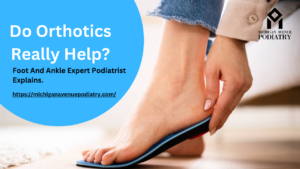
- Removable Insoles: Removable insoles allow for customization with orthotic inserts, providing additional support and alignment correction.
- Recommended Brands and Models:
- Brooks Addiction Walker: Known for its exceptional support and cushioning, the Brooks Addiction Walker is an excellent choice for individuals with plantar fasciitis.
- New Balance 928v3: The New Balance 928v3 offers superior stability and motion control, making it ideal for addressing overpronation and reducing strain on the plantar fascia.
- Saucony Grid Omni Walker: With its responsive cushioning and supportive design, the Saucony Grid Omni Walker provides comfort and stability for all-day wear.
- Hoka One One Bondi 7: Featuring plush cushioning and a rocker sole design, the Hoka One One Bondi 7 offers maximum shock absorption and promotes a smooth, efficient gait.
- ASICS Gel-Nimbus 23: The ASICS Gel-Nimbus 23 combines gel cushioning technology with a supportive upper, delivering unparalleled comfort and performance for individuals with plantar fasciitis.
- Tips for Choosing the Right Shoes:
- Get Properly Fitted: Visit a specialty shoe store or consult with a podiatrist to ensure proper fit and sizing.
- Test for Support: Check for adequate arch support and stability by pressing on the midsole and heel counter of the shoe.
- Consider Orthotic Compatibility: If using orthotic inserts, choose shoes with removable insoles and ample space to accommodate custom inserts.
Also Read
Expert Advice from Podiatrist Experts For Plantar Fasciitis Shoes
Podiatrists specialize in diagnosing and treating conditions affecting the feet, including plantar fasciitis. By consulting with a podiatrist, individuals can receive personalized recommendations on footwear, orthotic devices, and treatment options tailored to their specific needs.
FAQs
1. What type of shoes are best for plantar fasciitis?
Shoes with strong arch support, firm heel counters, and high-quality cushioning are ideal for plantar fasciitis. These features help reduce pressure on the plantar fascia and improve overall foot stability.
2. Are running shoes good for plantar fasciitis?
Yes, many running shoes are designed with excellent cushioning and arch support, making them a good option. Brands like Brooks, ASICS, and Hoka are often recommended by podiatrists for their supportive designs.
3. Should I use orthotics with plantar fasciitis shoes?
Using orthotics can enhance support and alignment. If you already use custom or over-the-counter orthotics, choose shoes with removable insoles and enough depth to accommodate them comfortably.
4. How do I know if my shoes support my arch properly?
A supportive shoe should feel stable when you walk and prevent your foot from rolling inward. You can also check the midsole and heel counter—if they feel firm and structured, the shoe likely offers good arch support.
5. Can wearing the wrong shoes make plantar fasciitis worse?
Absolutely. Shoes with poor cushioning, flat soles, or little to no arch support can increase strain on the plantar fascia and worsen heel pain. Choosing doctor recommended shoes for plantar fasciitis helps protect the feet and reduce discomfort.
Conclusion: Choosing the best shoes for plantar fasciitis is essential for managing symptoms and promoting foot health. By selecting footwear with proper support, cushioning, and stability, individuals can alleviate pain, reduce strain on the plantar fascia, and enjoy greater comfort and mobility. Consulting podiatrist experts and foot doctors can also help you choose doctor recommended shoes for plantar fasciitis, ensuring you find the most suitable footwear and treatment options for long-term relief.
For personalized recommendations tailored to your specific foot type and lifestyle, consult with a qualified podiatrist at Michigan Avenue Podiatry. Remember, investing in quality footwear is an investment in your long-term foot health and comfort.
Call Us Today: 312-701-0770
Visit Us:
Podiatrist in Chicago Downtown
Related Services at Michigan Avenue Podiatry



Valuable information Lucky me I found your website by chance, and I am shocked why this accident didn’t happenedin advance! I bookmarked it