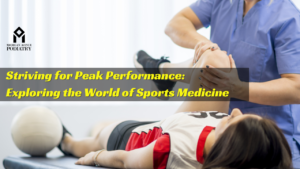
Expert Guide to Sports Medicine: How Specialists Keep You Active and Injury-Free
Whether you’re a professional athlete or someone who enjoys weekend jogs, staying active means pushing your body — and sometimes, that can lead to injury. That’s where sports medicine comes in. This specialized field bridges the gap between physical activity and medical science, helping people recover faster, perform better, and prevent future injuries.
From sprained ankles and tendon strains to complex orthopedic injuries, sports medicine specialists combine cutting-edge techniques and personalized care to keep you moving. In this guide, we’ll explore what sports medicine is, what these doctors do, and how they can help you maintain peak performance throughout your active life.
What Is Sports Medicine?
Sports medicine focuses on diagnosing, treating, and preventing injuries related to physical activity. But it’s not just for athletes — anyone who exercises or leads an active lifestyle can benefit from the expertise of a sports medicine doctor.
Unlike general practitioners, these professionals understand how movement, muscle function, and joint health work together. They treat everything from minor sprains to complex joint injuries, helping patients recover safely and return to their favorite activities.
A sports medicine specialist may come from various medical backgrounds, including orthopedics, podiatry, or physical rehabilitation. Some focus on orthopedic surgery and sports medicine, performing procedures to repair torn ligaments or damaged tendons. Others emphasize non-surgical treatments such as physical therapy, regenerative medicine, and performance optimization.
Sports medicine is about more than healing injuries — it’s about promoting overall musculoskeletal health, ensuring your body can handle the physical demands of your lifestyle.
What Does a Sports Medicine Doctor Do?
A sports medicine doctor plays a vital role in managing and preventing injuries for athletes and active individuals. Their approach is both holistic and personalized — focusing not only on immediate treatment but also on long-term recovery and performance.
1. Diagnosis and Injury Assessment
When pain or discomfort strikes, a sports medicine doctor identifies the root cause. Using tools like X-rays, MRIs, or gait analysis, they assess the injury’s severity and design a custom treatment plan. Whether it’s a runner’s knee, tennis elbow, or Achilles tendon strain, they know how to restore function efficiently.
2. Non-Surgical Treatment Plans
Most injuries don’t require surgery. Specialists often use conservative methods such as physical therapy, bracing, and joint injections. They might also recommend activity modifications and specific exercises that promote healing while maintaining strength.
3. Post-Injury Rehabilitation
Rehabilitation is a cornerstone of sports medicine. Doctors work closely with physical therapists to help patients rebuild strength, flexibility, and coordination. The goal is not just recovery — it’s ensuring you return to your sport safely and confidently.
4. Performance Enhancement and Injury Prevention
Sports medicine isn’t only reactive. Many patients visit sports medicine specialists near me for advice on how to train smarter and avoid injuries. Doctors assess biomechanics, muscle balance, and conditioning programs to help athletes perform at their best without pushing their limits too far.
5. Collaborative Care
In some cases, a sports medicine orthopedic surgery expert steps in when an injury is too severe for conservative care. This team approach ensures that patients receive comprehensive treatment, whether through surgical or non-surgical options.
The Role of Podiatric and Orthopedic Specialists in Sports Medicine
Foot and ankle injuries are among the most common issues in active people. From runners to basketball players, repetitive stress and sudden movements can cause pain that limits performance. This is where podiatric sports medicine comes into play.
Podiatric Sports Medicine
A podiatric sports medicine specialist focuses on conditions affecting the foot and ankle — such as plantar fasciitis, Achilles tendinitis, stress fractures, and ankle sprains. They understand how lower extremity biomechanics impact the entire body and can design treatments that support mobility and stability.
Custom orthotics, physical therapy, and gait retraining are often part of their approach. For example, a marathon runner with chronic heel pain might benefit from custom shoe inserts and calf stretches designed by a podiatric expert.
Orthopedic Surgery and Sports Medicine
When injuries extend beyond conservative management, orthopedic surgery sports medicine becomes essential. These surgeons handle complex issues such as ligament tears (like ACL or rotator cuff injuries), cartilage damage, and bone fractures.
The combination of orthopedic surgery and sports medicine ensures patients not only recover from injuries but regain optimal strength and range of motion. With advancements in minimally invasive techniques, recovery times are shorter, and outcomes are better than ever before.
How Sports Medicine Improves Everyday Life
Sports medicine isn’t just about returning to the field — it’s about improving quality of life for anyone dealing with pain, stiffness, or reduced mobility.
1. Faster Recovery Times
Specialists use evidence-based techniques like regenerative medicine, platelet-rich plasma (PRP) therapy, and customized rehabilitation programs. These methods speed up healing and minimize downtime, allowing you to resume your normal routine more quickly.
2. Personalized Care for Every Age and Skill Level
Whether you’re a student athlete, a fitness enthusiast, or an older adult staying active, sports medicine tailors care to your specific needs. The approach isn’t one-size-fits-all; it’s built around your goals, body type, and level of activity.
3. Long-Term Wellness
Preventing injuries is just as important as treating them. A sports medicine specialist can identify potential weaknesses or imbalances before they lead to chronic pain. This proactive care helps you move better, feel stronger, and stay healthier in the long run.
4. Integrating Advanced Technology
Modern sports medicine uses data-driven tools to track progress and performance. Motion sensors, gait analysis, and 3D imaging help doctors understand movement patterns and pinpoint issues early. This precision ensures patients receive the most effective care possible.
5. Supporting Mental and Physical Recovery
Injury can take a mental toll. Sports medicine doctors often collaborate with psychologists or trainers to support mental resilience and motivation throughout recovery. This holistic care model promotes both physical healing and emotional well-being.
FAQs
1. What does a sports medicine doctor treat?
A sports medicine doctor treats injuries related to physical activity, such as sprains, tendonitis, fractures, and joint pain. They also focus on injury prevention, performance enhancement, and rehabilitation.
2. How do I find sports medicine specialists near me?
You can start by searching online for board-certified sports medicine specialists near me or asking your primary care provider for referrals. Many podiatry and orthopedic clinics have dedicated sports medicine departments.
3. What is the difference between orthopedic surgery and sports medicine?
Orthopedic surgery deals with surgical repair of bones, joints, and ligaments, while sports medicine emphasizes non-surgical treatments, rehabilitation, and performance improvement. However, orthopedic surgery sports medicine combines both to provide full-spectrum care.
4. When should I see a podiatric sports medicine specialist?
If you experience persistent foot or ankle pain, especially from activities like running or jumping, it’s best to see a podiatric sports medicine doctor. They specialize in treating lower limb injuries and restoring mobility.
5. Can sports medicine help if I’m not an athlete?
Absolutely. Sports medicine doctors treat anyone who experiences pain or mobility issues due to activity. Their expertise helps people of all fitness levels stay active, recover faster, and prevent long-term injury.
Conclusion
Sports medicine is about more than fixing injuries — it’s about helping people move better, feel stronger, and stay active for life. Whether you’re recovering from a strain, preparing for a marathon, or simply trying to stay fit, working with a sports medicine doctor can make all the difference.
From podiatric sports medicine for foot and ankle care to advanced orthopedic surgery and sports medicine for complex injuries, these specialists use science-backed strategies to restore movement and prevent future problems.
If you’ve been searching for sports medicine specialists near me, take the step toward expert care today. Your body deserves the same attention and precision as a professional athlete’s — and the right specialist can help you get back to doing what you love, pain-free.
Booking Your Appointment
Ready to take the first step? Scheduling is easy:
Book Online: Visit our appointment page
Call Us Today: 312-701-0770
Visit Us:
Podiatrist in Chicago Downtown

Michigan Avenue Podiatry Clinic
Board-certified podiatrists & foot surgeons serving Chicago, Elmhurst, Flossmoor & Tinley Park. Featured in Forbes, CNN, The Wall Street Journal.