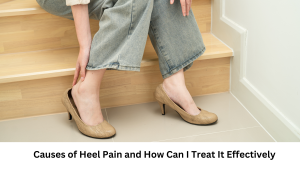
High Heels and Foot Pain: Expert Tips for Pain-Free Style
For many women, slipping into a pair of high heels feels empowering—a confidence boost that can transform any outfit. But as soon as the evening winds down, that familiar ache in the arches, heels, and toes often reminds us that beauty sometimes comes with pain. If you’ve ever wondered why high heels cause so much foot pain, or how to wear high heels without pain, you’re not alone.
Foot specialists see this issue daily. The truth is, while heels can look elegant, they place tremendous pressure on certain parts of the foot, often leading to long-term problems. In this article, we’ll explore why foot pain from high heels happens, what you can do to prevent it, and expert-backed foot pain podiatry tips to help you wear your favorite shoes comfortably—without sacrificing your health.
1. Why High Heels Cause So Much Foot Pain
The shape of high heels is the main reason they’re both stylish and painful. When you wear heels, your body weight shifts forward onto the balls of your feet. The higher the heel, the more pressure you put on that small area. Over time, this imbalance can strain tendons, ligaments, and even your lower back.
Many women experience foot pain after wearing high heels because these shoes force the foot into an unnatural position. The arch shortens, toes are squeezed, and the Achilles tendon tightens. Wearing heels daily can lead to chronic problems such as bunions, hammertoes, and plantar fasciitis.
Foot pain podiatry experts explain that even a two-inch heel can increase pressure on the forefoot by up to 50%. That’s why you may feel relief only after taking them off, followed by a dull ache that lasts for hours. In severe cases, constant use can lead to nerve inflammation or joint damage.
The key isn’t to swear off heels completely—it’s to understand how to wear them wisely and reduce their impact on your feet.
2. How to Wear High Heels Without Pain
You don’t have to give up heels to protect your feet. The secret lies in preparation, smart choices, and small adjustments that make a big difference.
Start with heel height. Anything above three inches dramatically alters your posture and balance. If possible, save those ultra-high stilettos for short events and opt for two-inch or block heels for regular use. A lower, wider heel distributes weight more evenly across your feet.
Cushioning also matters. Use gel or silicone inserts to absorb shock and relieve pressure on your metatarsal area—the part just behind your toes. You can even find insoles designed specifically for high heels that prevent slipping and add support to your arches.
Before stepping out, stretch your feet and ankles. Gentle calf stretches and toe curls improve flexibility and help prevent foot pain from high heels. If you stand for long periods, take short breaks to sit or shift your weight.
A podiatrist once shared this simple rule: “If your shoes look too narrow or pointy, they probably are.” Always choose shoes that allow your toes to move naturally. Your feet expand during the day, so shop for heels in the evening when they’re at their largest size.
These small adjustments can significantly reduce discomfort, letting you enjoy fashion without sacrificing comfort.
3. Common Foot Problems Caused by High Heels
Understanding the most frequent foot pain causes related to heels can help you catch issues early and treat them before they worsen.
a. Plantar Fasciitis
This condition affects the band of tissue connecting your heel to your toes. Heels shorten the Achilles tendon and overstretch the plantar fascia, leading to sharp heel pain.
b. Bunions and Hammertoes
Narrow toe boxes squeeze your toes together, causing bone misalignment over time. A bunion may start as mild redness and progress into a painful bump near your big toe joint.
c. Metatarsalgia
This is pain and inflammation in the ball of the foot, common in women who often wear heels. It feels like walking on small pebbles under your toes.
d. Achilles Tendon Tightness
Wearing heels shortens your Achilles tendon. Switching suddenly to flats after long-term heel use can cause severe calf pain and stiffness.
Foot pain podiatry specialists often recommend alternating heel heights, stretching regularly, and wearing supportive shoes between events. Custom orthotics can also help restore balance and reduce strain on your tendons.
Ignoring these signs can turn occasional foot pain after wearing high heels into chronic discomfort that limits your mobility.
4. When to See a Foot Specialist
If foot pain lingers even after rest, or you notice swelling, numbness, or tingling, it’s time to visit a podiatrist. Persistent foot pain from high heels can signal underlying problems that need professional attention.
Podiatrists don’t just treat pain—they identify its root cause. They may recommend gait analysis to assess how your feet move while walking or standing. This helps determine whether your pain stems from posture, footwear, or muscle imbalance.
In some cases, mild deformities caused by high heels painful pressure can be corrected with physical therapy, orthotic support, or minor adjustments in footwear. Severe cases might require custom-made shoes or specialized insoles to realign your feet.
A common scenario involves professionals who wear heels daily for work. One podiatry clinic shared how a client with years of chronic forefoot pain found relief through personalized orthotics and switching to lower, cushioned heels. Within weeks, her pain subsided, and she regained her confidence in walking comfortably.
If you love heels, partnering with a podiatrist ensures you enjoy them safely. Preventive foot pain podiatry checkups can make all the difference between occasional soreness and lifelong foot health.
FAQs
1. Why do high heels cause so much foot pain?
High heels shift your body weight onto the balls of your feet, creating pressure and tension in muscles and ligaments. This unnatural posture often leads to pain in the arches, toes, and heels.
2. How can I wear high heels without pain?
Choose heels under three inches, use cushioned inserts, and take breaks to rest your feet. Regular stretching and alternating with supportive flats can also help prevent discomfort.
3. What are the main foot pain from wearing high heels?
Common issues include plantar fasciitis, bunions, metatarsalgia, and Achilles tendon tightness. Over time, these conditions can worsen if left untreated.
4. How long should I wear high heels before resting my feet?
Try to limit continuous heel wear to 2–3 hours. If possible, switch to comfortable shoes between events or while sitting at your desk.
5. Should I see a podiatrist for foot pain from high heels?
Yes. A foot specialist can identify structural problems, recommend custom orthotics, and suggest exercises or treatments to relieve pain and prevent long-term damage.
Conclusion
High heels and foot pain may seem inseparable, but they don’t have to be. With the right knowledge and a few mindful habits, you can enjoy your favorite pairs without suffering the next day.
Understanding how to wear high heels without pain means treating your feet with care—choosing the right shoes, stretching regularly, and paying attention to discomfort before it becomes a problem.
Your feet carry you through life. Taking care of them, whether through at-home practices or expert foot pain podiatry consultations, ensures that your style never comes at the cost of your comfort or health.
After all, true confidence isn’t just about how good you look in heels—it’s about how great you feel wearing them.
Call Us Today: 312-701-0770
Visit Us:
Podiatrist in Chicago Downtown

Michigan Avenue Podiatry Clinic
Board-certified podiatrists & foot surgeons serving Chicago, Elmhurst, Flossmoor & Tinley Park. Featured in Forbes, CNN, The Wall Street Journal.