Pain From Plantar Warts: Causes, Relief Options, and When to See a Specialist
Pain from plantar warts can catch anyone off guard. One moment you feel a small bump on the bottom of your foot, and the next you’re wincing with every step. These tiny growths might look harmless, but their location—right on pressure points—makes them far more painful than most people expect. If you’ve ever felt like you’re walking on a pebble that won’t go away, you’re not alone. Plantar wart pain is extremely common, especially among active adults, athletes, and kids who spend a lot of time barefoot.
In this guide, we’ll break down why plantar warts hurt, how to get effective plantar wart pain relief, and what to do if your plantar wart becomes extremely painful after treatment. You’ll also learn what experts recommend for long-term plantar wart pain management and when it’s time to visit a podiatrist.
Why Do Plantar Warts Hurt So Much?
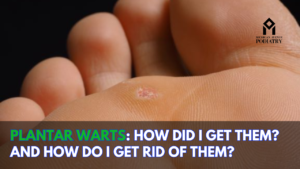
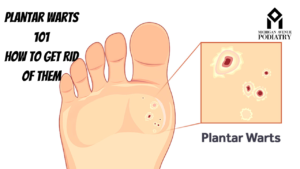
Plantar warts form on the soles of your feet, usually on areas that carry the most pressure, such as the heel or ball of the foot. While they come from a simple viral infection (HPV), the pain from plantar warts can feel far more intense than that. But why?
The real issue comes from how your body weight presses the wart inward. Instead of growing outward like a typical wart on your hand, a plantar wart gets pushed down into the skin layers. Over time, it forms a hard core surrounded by thickened skin. This creates the famous “stone-in-the-shoe” sensation.
People often describe plantar wart pain as:
- A sharp, stabbing sensation when standing
- A dull, throbbing ache after long periods of walking
- A sudden shock-like pain when stepping on a hard surface
And yes, plantar warts can be painful even when you’re not moving. The pressure inside the skin builds, irritating nerves and creating a deep ache. So if you’ve wondered, can plantar warts be painful? the answer is definitely yes, sometimes to the point where daily activities become difficult.
How to Get Real Plantar Wart Pain Relief at Home
Home treatments can help reduce plantar wart pain while you’re waiting for the wart to heal or while undergoing treatment. The goal is simple: reduce pressure, soften the skin, and help calm irritation.
1. Cushioning pads
Reusable gel pads or donut-shaped cushions take pressure off the wart. These simple tools often provide instant plantar wart pain relief by redistributing weight away from the sore area.
2. Warm water soaks
A 10–15 minute foot soak softens the skin and reduces discomfort. Warm water also helps loosen the dead skin layers covering the wart, making treatments more effective.
3. OTC salicylic acid
This classic treatment does more than fight the wart—it also reduces the thick callused skin that adds to the pain. Used consistently, it helps ease plantar wart pain over time.
4. Ice therapy
If pain spikes suddenly, icing the area for 10 minutes helps numb the nerve endings and reduce inflammation. This is especially helpful when a plantar wart becomes extremely painful after treatment sessions.
5. Proper footwear
Choose shoes with soft insoles and plenty of cushioning. Thin, flat shoes tend to make the pain worse, while supportive footwear improves plantar wart pain management throughout the day.
Home care won’t remove every wart, but it often reduces pain enough to help you move comfortably until you can get professional treatment.
Why Plantar Warts Become Extremely Painful After Treatment
It’s very common for a plantar wart to become extremely painful after treatment. Many people get worried and assume something went wrong, but in most cases, this pain is normal.
Cryotherapy
Liquid nitrogen can create swelling and blistering around the wart. The skin becomes tender for 24–72 hours, especially when standing.
Laser treatment
Laser energy goes deeper into the tissue to kill the wart at its root. The area may feel bruised or sore for several days.
Acid treatments
Higher-strength acids used in clinics can create a burning sensation as the top layers of the wart peel away.
Why the pain increases
After treatment, the skin becomes inflamed. Inflammation puts extra pressure on nerves, which heightens plantar wart pain. Also, as the wart dies, it sometimes lifts or shifts slightly within the tissue, adding to the discomfort.
You should monitor the pain, but mild to moderate soreness usually means your body is responding to the treatment. However, if pain intensifies instead of improving after a few days, it’s worth checking in with your provider.
Long-Term Plantar Wart Pain Management and Prevention
Even once a wart is gone, the area can remain sensitive. Here’s how to protect your feet, reduce future pain, and lower the risk of recurrence.
1. Strengthen skin health
Keeping the skin moisturized reduces cracking, friction, and buildup. Softer skin also makes it harder for plantar warts to hide under thick calluses.
2. Avoid walking barefoot in shared areas
Locker rooms, gym showers, and pool decks are hotspots for HPV. Wearing slides or sandals can prevent the virus from entering through tiny cuts in the skin.
3. Rotate footwear
Sweaty, moist shoes make it easier for the virus to thrive. Rotating pairs and letting them air out supports good foot hygiene.
4. Support your arches
Orthotic inserts help reduce pressure on high-impact areas of the foot. This protects sensitive spots and lowers the risk of pain if a wart returns.
5. Regular check-ins with a podiatrist
If you’ve had painful plantar warts before, professional evaluations help catch new ones early—before they grow deep and cause intense plantar wart pain again.
Effective plantar wart pain management is all about being proactive. The sooner you address a wart, the less likely it is to become a long-term problem.
FAQs
1. Can plantar warts be painful even when they’re small?
Yes. Even a tiny wart can cause significant pain because it grows inward. Its location matters more than its size.
2. Why do my plantar warts hurt more in the morning?
After resting, your foot tissues tighten slightly. When you take your first steps, pressure increases, making pain from plantar warts more noticeable.
3. My plantar wart is extremely painful after treatment—is that normal?
Yes, mild to severe soreness is common for 1–3 days after cryotherapy, acid treatments, or laser therapy. If pain worsens instead of improving, call your provider.
4. What is the fastest way to get plantar wart pain relief?
Cushioning pads, warm soaks, and ice usually offer the quickest relief. For long-term results, professional wart removal is the most effective option.
5. Do plantar warts go away on their own?
Some do, but it can take months or even years. If the wart causes ongoing plantar wart pain, professional treatment is recommended.
Conclusion
Plantar warts may be small, but they can cause big problems—especially when they sit on the pressure points of your feet. Understanding why they hurt, how to manage the discomfort, and what to expect during treatment can make a huge difference in how you handle them. Whether you’re dealing with mild soreness or a plantar wart that becomes extremely painful after treatment, the right care strategy can help you find relief and get back to your routine.
If pain from plantar warts keeps you from walking comfortably or if home remedies aren’t helping, consider seeing a foot specialist. With the right approach to plantar wart pain management, you can ease discomfort, clear the wart faster, and protect your feet from future problems.
For personalized recommendations tailored to your specific foot type and lifestyle, consult with a qualified podiatrist at Michig Anavenue podiatry. Remember, investing in quality footwear is an investment in your long-term foot health and comfort.
Call Us Today: 312-701-0770
Visit Us:
Podiatrist in Chicago Downtown

Michigan Avenue Podiatry Clinic
Board-certified podiatrists & foot surgeons serving Chicago, Elmhurst, Flossmoor & Tinley Park. Featured in Forbes, CNN, The Wall Street Journal.