Infected Ingrown Toenail Treatment: A Complete Guide to Fast Relief
An infected ingrown toenail can turn a simple walk into a painful experience. Many people try to ignore the problem at first, hoping it will get better on its own. But when redness, swelling, and throbbing pain begin, it becomes clear that the nail needs proper care. The good news? In most cases, you can treat an infected ingrown toenail quickly and safely with the right approach. In this guide, I’ll walk you through how infections start, what treatments actually work, when surgery is necessary, and how to prevent the problem from coming back. You’ll find clear explanations, simple steps, and practical tips that make the healing process easier.
What Causes an Ingrown Toenail to Become Infected?
An ingrown toenail forms when the edge of the nail curves down and grows into the skin. This usually happens on the big toe. At first, it may cause mild discomfort. But once bacteria enter the broken skin, the area becomes infected.
Several common habits raise the chances of infection. Cutting your nails too short or rounding the edges allows the nail to grow sideways. Tight shoes press the nail deeper into the skin. Sweaty feet create moisture that encourages bacteria to grow. Even small injuries, like stubbing your toe, can trigger the problem.
Once the skin becomes tender and swollen, the body reacts to defend itself. This leads to redness, heat, and pus. At this stage, infected ingrown toenail treatment becomes important to prevent the infection from spreading.
Home Treatment Options That Actually Work
Many infections begin as mild cases and respond well to simple home treatments. Warm saltwater soaks help reduce inflammation and keep the area clean. Soak your foot for 15 to 20 minutes, two to three times a day. This softens the skin and reduces pressure around the nail.
After soaking, you can apply an antibiotic ointment to protect the area. Keep the toe dry, and cover it with a clean bandage. During this time, avoid tight shoes. Choose open-toed footwear or soft sneakers that give your toes space.
Some people try lifting the nail slightly by placing a small cotton piece under the corner. This method works for mild cases but should not be used if the infection is severe. If the pain increases or pus continues to drain, you will need a stronger infected ingrown nail treatment from a podiatrist.
Home care is most effective when done early. The moment you notice yellow discharge, increased swelling, or spreading redness, it’s time to seek professional help.
When You Need Infected Ingrown Toenail Surgery
If the infection becomes stubborn or keeps coming back, you may need infected ingrown toenail surgery. Many people feel nervous about the idea of surgery, but the procedure is simple, quick, and usually provides immediate relief.
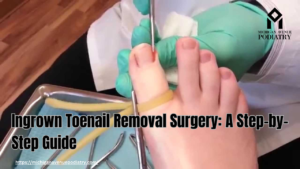
During the procedure, a podiatrist numbs the toe. Once the area is fully numb, the doctor removes the part of the nail causing the problem. This is known as infected ingrown toenail removal. The infection drains, and the pressure disappears. Most people walk out of the clinic with far less pain than they had when they arrived.
In some cases, the doctor may treat the nail root to prevent that section from growing back. This is a common choice for people who face repeated infections. The healing process takes a few weeks, but the pain improves within days.
Surgery is recommended when the infection is severe, the nail shape is causing constant problems, or home treatments have failed. Ignoring these signs often makes the infection worse, so early care is always the best choice.
How Much Does Infected Ingrown Toenail Surgery Cost?
The infected ingrown toenail surgery varies based on your location, the clinic, and whether the procedure involves removing the nail root. In most areas, the price falls within a reasonable range. Basic infected ingrown toenail removal is usually less expensive, while procedures that include root treatment may cost more.
Insurance sometimes covers a portion of the expense if the procedure is medically necessary. Many clinics also offer payment options to make the process easier.
When considering cost, think about the long-term benefits. A simple procedure can prevent weeks of pain, repeated infections, and lost productivity. Many patients say they wish they had done it sooner, especially after feeling immediate relief once the pressure is gone.
How to Prevent Ingrown Toenails from Coming Back
Once you recover, you want to make sure the problem does not return. Prevention is simple but effective when done consistently. Always trim your nails straight across instead of rounding the edges. Wear shoes that give your toes enough room. If you sweat a lot, keep your feet dry and change socks more often.
If you play sports, protect your toes with proper footwear. If your toenails naturally curve inward, schedule check-ups with a podiatrist. They can manage your nails before they become infected again.
For people who need infected ingrown toenail treatment more than once, prevention becomes especially important. Small habits make a big difference, and they help keep your feet healthy long term.
FAQs
1. How do I know if my ingrown toenail is infected?
Common signs include redness, swelling, warmth, pain, and yellow or white discharge. If the area feels tender even when you’re not touching it, the infection may be spreading.
2. Can I treat an infected toenail at home?
Yes, early infections respond well to warm soaks, antibiotic ointment, and proper foot care. If symptoms worsen within 24 to 48 hours, see a podiatrist for professional infected ingrown nail treatment.
3. Is infected ingrown toenail surgery painful?
The toe is numbed before the procedure, so you feel little to no pain. Most patients report immediate relief once the pressure is removed.
4. How long does recovery take after infected ingrown toenail removal?
You may feel better within a couple of days, but full healing can take two to four weeks. Keeping the toe clean and dry helps speed up recovery.
5. Can the infection come back after surgery?
It can, but the chances drop when you follow proper foot care and trimming habits. If the nail root is treated during surgery, recurrences are rare.
Conclusion
An infected ingrown toenail may seem like a small problem, but the pain and swelling can affect your daily life. The right treatment—not guesses or shortcuts—helps you heal faster and prevents more serious issues. Early care, good hygiene, and proper footwear are your first line of defense. When the infection becomes stubborn, infected ingrown toenail surgery offers a safe and reliable solution. Whether you choose home care or a professional procedure, taking action early makes all the difference. Your feet carry you through every step of life, so giving them proper care is always worth it.
Call Us Today: 312-701-0770
Visit Us:
Podiatrist in Chicago Downtown
Related Services at Michigan Avenue Podiatry