How to Remove Foot Corn and Calluses at Home
If you spend long hours on your feet, you might notice rough, thick patches of skin forming on your toes or the balls of your feet. These spots—known as corns and calluses—build up when your skin tries to protect itself from constant pressure or friction. Many people try to remove foot corn and calluses at home, but doing it the wrong way can make the problem worse. The good news is that there are safe, podiatrist-approved ways to smooth your skin and ease the discomfort.
This guide breaks down simple, effective home remedies you can use today. We’ll also explain when home care is enough and when you should skip the DIY approach and get medical help. If you’ve ever wondered how to get rid of corns and calluses in a safe and gentle way, this is the place to start.
1. What Causes Corns and Calluses?
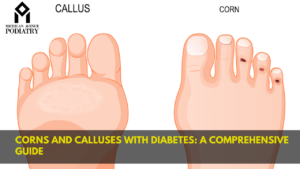
Corns and calluses form because the skin is trying to protect itself. When an area of your foot faces repeated pressure, it responds by creating a tougher layer of skin. Over time, this layer becomes thick and hard. A callus is usually wide and flat, while a corn is smaller, deeper, and often more painful.
Common causes include tight shoes, thin soles, long hours of walking, standing on hard floors, or foot shape issues that shift weight to certain areas. Understanding the cause helps you choose the right corn and calluses treatment. Without treating the root problem, even the best home remedies only offer short-term relief.
Think of the skin like a shield. If something keeps pressing on it, the shield grows thicker. Your job is to remove that pressure while treating the corn or callus itself.
2. Safe Ways to Remove Foot Corn and Calluses at Home
Many people try aggressive scraping or cutting, but that’s unsafe and can cause infection. Instead, use gentle and proven corn and calluses home remedies that soften the skin and reduce discomfort over time.
Warm Soaking and Softening
Start by soaking your feet in warm water for 10–15 minutes. This softens the thick skin, making it easier to smooth without harming the healthy layers underneath. You can add mild soap or Epsom salt for better softening.
Pumice Stone or Foot File
Once the skin is soft, gently use a pumice stone to rub the area in circular motions. Stay light—your goal is to reduce the thickness, not remove everything in one session. Doing this a few times a week helps prevent the corn or callus from returning.
Moisturizing Creams
Use a thick foot cream that contains urea, lactic acid, or salicylic acid. These ingredients help break down tough skin when used consistently. A small daily routine works better than aggressive weekly treatments.
These steps give a safe path to remove foot corn and calluses at home while protecting your skin barrier.
3. Natural Home Remedies Backed by Foot Specialists
Some home remedies get passed down through families, but not all are safe. The following options are commonly recommended by podiatrists as part of a gentle corn and calluses treatment plan.
Apple Cider Vinegar (Diluted)
A diluted vinegar soak helps soften the skin. Use one part vinegar to two parts warm water. This makes the callus easier to smooth with a pumice stone.
Castor Oil
Castor oil helps hydrate dry, thick skin and reduces friction. Apply it after soaking your feet and cover the area with a soft cotton sock.
Toe Separators or Padding
If the corn comes from pressure between toes, use toe separators to reduce friction. For calluses under the ball of the foot, use soft pads to redistribute weight.
These corn and calluses home remedies work best when you combine them with supportive footwear. Changing the conditions that caused the problem in the first place is key if you want lasting results.
4. When You Should Avoid DIY and Seek Medical Treatment
Home care works for many people, but not for everyone. Some corns dig deep into the skin and cause intense pressure. In these cases, you may need professional help.
If the area becomes painful, red, swollen, or starts to crack, stop all home treatments and visit a podiatrist. People with diabetes, poor circulation, neuropathy, or weakened immune systems should never attempt aggressive removal at home. Even small cuts can turn into serious infections.
A specialist can check the structure of your foot and suggest options such as custom orthotics or targeted pressure relief. In some cases, corn and callus removal surgery becomes the best long-term solution, especially when the issue keeps coming back. Surgery is usually done to correct bone alignment that causes the pressure.
If you feel stuck or nothing works, a podiatrist can set you on the right path before the problem grows worse.
FAQs
1. What is the safest way to remove foot corn and calluses at home?
The safest method involves warm soaking, gentle filing with a pumice stone, and applying a hydrating cream daily. Slow and steady care prevents injury while softening thick skin.
2. How do I know if I need medical treatment instead of home care?
If the area becomes painful, swollen, or doesn’t improve after a few weeks, see a podiatrist. People with diabetes or circulation issues should avoid home treatment and get expert care right away.
3. Can home remedies remove deep corns permanently?
Home care can reduce pain and size, but deep corns often come back if the pressure continues. Fixing the cause such as shoe fit or foot structure—is the key to lasting relief.
4. Do calluses always require treatment?
Not always. Many calluses are harmless. But if a callus causes pain or cracking, or affects how you walk, you should treat it with safe home care or seek help from a specialist.
5. Is corn and callus removal surgery common?
Surgery is usually a last resort. It becomes necessary when repeated pressure from bone alignment keeps causing the corn to return. A podiatrist can decide whether surgery is the right step.
Conclusion
Corns and calluses can be frustrating, especially when they start to hurt with every step. The good news is that you can remove foot corn and calluses at home using gentle, podiatrist-approved methods. Warm soaking, careful filing, daily moisturizing, and simple padding can make a big difference. These steps also help prevent thick skin from returning.
But not every situation is right for DIY care. If the area becomes painful, keeps growing, or doesn’t improve, it’s time to see a specialist. A podiatrist can guide you toward long-term solutions, whether that means better shoes, custom support, or, in rare cases, corn and calluses treatment through surgery. With the right approach, you can keep your feet comfortable, healthy, and ready for the day ahead.
For personalized recommendations tailored to your specific foot type and lifestyle, consult with a qualified podiatrist at Michigan Avenue Podiatry. Remember, investing in quality footwear is an investment in your long-term foot health and comfort.
Call Us Today: 312-701-0770
Visit Us:
Podiatrist in Chicago Downtown
Related Services at Michigan Avenue Podiatry