Mallet Toe vs Hammer Toe: Know the Difference
Toe deformities can creep up slowly. At first, you may notice a little bend in your toe, a bit of rubbing in your shoe, or a sore spot that wasn’t there before. Over time, that small bend can turn into stiffness, pain, and difficulty walking. Many patients assume they have the same condition, but mallet toe vs hammer toe are two different problems and understanding the difference helps you get the right treatment.
In this guide, we’ll break down how podiatrists diagnose each deformity, how their treatment plans differ, and when conservative care is the better option versus when surgery becomes necessary. If you’ve been unsure whether you need simple home care or a more advanced solution, this guide will give you clarity based on real podiatric insight.
Understanding Mallet Toe and Hammer Toe
Many people confuse hammer toe and mallet toe because both involve abnormal bending in the smaller toes. But the bend occurs in different joints.
What Is Hammer Toe?
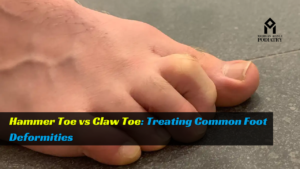
Hammer toe involves a bend in the middle joint of the toe (the proximal interphalangeal joint). The toe looks like it’s forming a small “V” shape. This condition often starts with muscle imbalance, tight shoes, or repetitive pressure.
People with hammer toe often describe:
- Pain across the top of the bent toe
- Corns are forming because the toe rubs against the shoes
- Stiffness that gets worse with time
What Is Mallet Toe?
Mallet toe, on the other hand, involves a bend in the last joint of the toe (the distal interphalangeal joint). This causes the very tip of the toe to point downward.
Common signs include:
- Pain at the tip of the toe
- Corns or calluses forming underneath the toe
- Pressure when walking, especially in tight shoes
While both conditions look similar at first glance, podiatrists diagnose them by identifying which joint has stiffened. This joint location determines the entire treatment plan, which is why understanding mallet toe vs hammer toe matters so much.
How Podiatrists Diagnose Each Condition
A podiatrist doesn’t rely on guesswork. During your visit, the foot doctor takes a detailed look at the toe’s structure, flexibility, and joint alignment.
Physical Examination
The podiatrist checks:
- Which joint is bent
- How rigid the joint has become
- Whether the toe can be manually straightened
- Whether the toe deformity is causing corns or calluses
- How the foot functions during standing and walking
A rigid deformity behaves differently from a flexible one. Rigid conditions often need more advanced intervention.
Imaging
While many cases don’t require imaging, X-rays can help the doctor assess:
- Joint damage
- Bone alignment
- Severity of the deformity
This helps determine whether the condition will respond to conservative care or whether a surgical option might work better.
Treatment Options for Mallet Toe vs Hammer Toe
Because these conditions involve different parts of the toe, their treatments differ too.
Conservative Treatment for Hammer Toe
Mild to moderate hammer toe often improves with:
- Stretching
- Toe-strengthening exercises
- Shoe modifications
- Custom orthotics
- Corn or callus treatment
Padding over corns relieves pressure, while toe splints help correct position. When a patient comes in early, podiatrists can often avoid hammer toe surgery.
Conservative Treatment for Mallet Toe
Mallet toe treatment focuses more on offloading pressure from the toe tip. Treatment usually includes:
- Toe caps or silicone sleeves
- Soft insoles
- Shoes with a roomy toe box
- Corn reduction
If the toe is still flexible, taping can help improve alignment. But once the joint becomes rigid, conservative care only reduces symptoms it doesn’t reverse the deformity.
When Surgery Becomes Necessary
Not every case needs surgery, but podiatrists recommend it when:
- Pain affects daily life
- The deformity becomes rigid
- Corns return even after treatment
- Shoes cause constant irritation
Hammer toe surgery typically involves tightening or releasing tendons, removing small parts of bone, or realigning the joint. Some patients may need a hammer-toe operation if multiple toes are involved.
Mallet toe surgery usually involves removing a small portion of bone at the tip joint to straighten the toe. It’s less invasive than many expect and helps eliminate pressure beneath the toe.
A podiatrist tailors the approach based on the severity and lifestyle of the patient.
Which Condition Needs Surgery and Which Can Be Treated at Home?
This is one of the most common questions podiatrists get, and the answer depends on timing.
Hammer Toe
Early stage: Often responds well to exercises, splints, padding, and shoe changes.
Late stage (rigid): More likely to need surgical correction.
Mallet Toe
Flexible stage: Conservative care helps reduce pain but rarely fully corrects the deformity.
Rigid stage: Surgery becomes a more effective option.
General Guidance from Foot Doctors
If the toe bends but still moves, home-based treatment and podiatrist-guided care can slow or reverse symptoms. If the toe no longer straightens when you push on it, surgery may be the only option that brings long-term relief.
The key is early evaluation. A podiatrist spots the signs that patients often miss and guides you toward the most effective plan.
FAQs
1. What is the main difference between mallet toe and hammer toe?
The joint involved. Hammer toe affects the middle joint, while mallet toe affects the last joint near the tip of the toe.
2. Can toe deformities go away on their own?
No. Deformities don’t reverse without treatment, but early intervention can stop progression and reduce symptoms.
3. When do I need hammer toe surgery?
Surgery becomes an option when pain limits daily activity, the joint becomes rigid, or conservative care fails.
4. Is mallet toe surgery painful?
Most patients describe mild discomfort. The procedure is often quick, and recovery varies based on the severity of the deformity.
5. Should I see a podiatrist for toe pain?
Yes. A podiatrist or foot doctor can diagnose whether it’s mallet toe, hammer toe, or another condition and guide you toward the best treatment.
Conclusion
Toe deformities can be confusing, especially when symptoms overlap. But knowing the difference between mallet toe vs hammer toe helps you understand your options and take action early. While both conditions involve abnormal bending, the joint involved determines the diagnosis and treatment path. Many people find relief through conservative care when they catch the problem early, but others may benefit from hammer toe surgery or mallet toe surgery when the deformity becomes rigid.
If you’re unsure which condition you have, a podiatrist can give you a clear diagnosis and guide you through a plan that fits your lifestyle. With early care and the right approach, you can reduce pain, improve alignment, and protect long-term foot function.
Call Us Today: 312-701-0770
Visit Us:
Podiatrist in Chicago Downtown
Related Services at Michigan Avenue Podiatry