Finding Relief: The Best Shoes for Morton’s Neuroma in 2025
If you’ve ever felt a burning, tingling, or stabbing pain in the ball of your foot — especially between your third and fourth toes — you might be dealing with Morton’s neuroma. It’s more common than you think, especially among people who spend long hours on their feet, wear tight shoes, or enjoy high-impact activities like running.
The right footwear can make a world of difference. Finding the best shoes for Morton’s neuroma isn’t just about comfort — it’s about reducing pressure on the nerve and allowing your foot to move naturally. In this guide, we’ll explore how to choose comfortable shoes for Morton’s neuroma, what features matter most, and how orthotics for Morton’s neuroma can enhance relief.
Let’s dive in and find out how you can walk — and live — pain-free again.
Understanding Morton’s Neuroma — What’s Really Happening in Your Foot
Before finding the best shoes for Morton’s neuroma, it helps to understand what’s going on inside your foot.
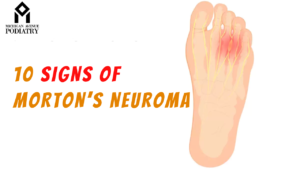
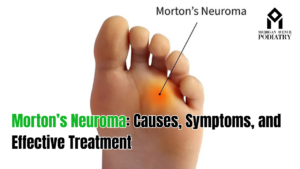
Morton’s neuroma occurs when the nerve between your toes becomes compressed or irritated. Over time, this pressure causes the nerve tissue to thicken, leading to that familiar sharp or burning pain when walking. Many patients describe the feeling as if there’s a pebble stuck in their shoe.
Several factors contribute to this condition:
- Tight or narrow shoes: Especially high heels and pointed-toe shoes that squeeze the toes together.
- High-impact sports: Running or tennis can irritate the nerve.
- Foot shape: Flat feet or high arches can increase pressure on the forefoot.
But here’s the good news — with proper footwear and supportive Morton’s neuroma orthotic insoles, you can relieve pressure on the affected nerve and help your foot heal naturally.
Key Features to Look for in Shoes for Morton’s Neuroma
When searching for comfortable shoes for Morton’s neuroma, not all footwear is created equal. The right pair can ease pain, while the wrong one can make walking unbearable.
Here are the essential features to look for in the best shoes for Morton’s neuroma:
1. Wide Toe Box
A spacious toe box allows your toes to spread naturally, reducing compression on the irritated nerve. Avoid narrow or pointy shoes that squeeze the forefoot.
2. Cushioned Midsole
Good cushioning absorbs shock and relieves pressure on the ball of your foot. Look for shoes with memory foam, gel, or EVA midsoles.
3. Arch Support
Proper arch support evenly distributes body weight, reducing stress on the forefoot. This is especially helpful if you have flat feet or high arches.
4. Low Heel Drop
A lower heel-to-toe drop keeps your foot in a more natural position, easing strain on the metatarsal area where Morton’s neuroma forms.
5. Removable Insoles
Shoes with removable insoles allow you to insert custom orthotics for Morton’s neuroma for extra support and personalized comfort.
6. Breathable Materials
Lightweight, breathable materials help prevent moisture buildup and irritation — a small detail that can make a big difference.
These features don’t just improve comfort — they support the structure of your foot and allow natural movement, which is key to long-term relief.
The Best Shoes for Morton’s Neuroma in 2025
As footwear technology continues to improve, brands are designing shoes specifically for foot conditions like Morton’s neuroma. Here are some of the best shoes for Morton’s neuroma in 2025, based on comfort, support, and user feedback:
1. HOKA Clifton 9
The Clifton 9 remains a top pick for runners and walkers alike. It has a wide toe box, plush cushioning, and a rocker sole that promotes smooth movement. These features make it one of the best comfortable shoes for Morton’s neuroma.
2. New Balance 990v6
This classic model offers exceptional arch support and stability. The wide fit options and durable construction make it ideal for daily wear or work settings.
3. Altra Torin 7
Altra’s zero-drop design and FootShape™ toe box give your toes the freedom to move naturally. Many people with Morton’s neuroma find instant relief with this model.
4. Brooks Ghost 16
Known for its soft cushioning and smooth ride, the Ghost 16 supports your stride while minimizing impact on the forefoot. It also accommodates Morton’s neuroma orthotic insoles easily.
5. Orthofeet Coral (Women) / Edgewater (Men)
Orthofeet specializes in shoes for foot pain. These models come with built-in orthotic support, extra depth, and stretchable uppers — making them perfect for foot conditions like Morton’s neuroma.
6. Birkenstock Arizona Soft Footbed Sandals
If you prefer open footwear, Birkenstock’s contoured footbed offers excellent support and even weight distribution. The adjustable straps let you find the perfect fit.
These options combine medical-grade support with stylish design — because comfort shouldn’t come at the cost of appearance.
How Orthotics Can Transform Your Comfort
If you’ve already tried the best shoes for Morton’s neuroma and still feel pain, orthotics may be the missing piece.
What Are Orthotics?
Orthotics are custom or over-the-counter insoles designed to support your foot’s structure and relieve pressure from sensitive areas. For people with Morton’s neuroma, orthotics for Morton’s neuroma help by redistributing weight away from the nerve and improving foot alignment.
Benefits of Morton’s Neuroma Orthotic Insoles:
- Pressure Relief: Orthotics create space around the nerve, reducing irritation.
- Improved Alignment: They support your arches and encourage proper foot mechanics.
- Shock Absorption: Many insoles feature gel or foam layers that absorb impact during walking or running.
- Pain Prevention: Wearing orthotics regularly can prevent flare-ups and long-term nerve damage.
You can get Morton’s neuroma orthotic insoles from your local podiatrist or try specialized brands that design insoles for nerve pain and metatarsalgia. If you’re in the Chicago area, visiting the best podiatrist in Chicago can help you get fitted for custom orthotics tailored to your needs.
When to See a Podiatrist
If your pain doesn’t improve with footwear changes or orthotics, it’s time to see a specialist. The best podiatrist in Chicago can diagnose the severity of your condition and recommend advanced treatments — from corticosteroid injections to minimally invasive surgery if needed.
FAQs About Morton’s Neuroma and Footwear
Q1: What are the best shoes for Morton’s neuroma pain relief?
Shoes with a wide toe box, cushioned midsoles, and good arch support work best. Brands like HOKA, Altra, and Orthofeet are top choices for comfortable shoes for Morton’s neuroma.
Q2: Can orthotics really help Morton’s neuroma?
Yes. Morton’s neuroma orthotic insoles help redistribute pressure away from the nerve and support proper foot alignment, reducing pain and inflammation.
Q3: Should I stop wearing heels if I have Morton’s neuroma?
Absolutely. High heels put pressure on the ball of your foot and can worsen the condition. Opt for supportive, low-heeled shoes instead.
Q4: How long does it take to feel relief after switching shoes?
Most people notice improvement within days or weeks of wearing shoes for Morton’s neuroma that fit properly and offer good cushioning.
Q5: When should I see a podiatrist?
If your pain persists despite wearing supportive shoes and orthotics, it’s best to consult the best podiatrist in Chicago for a personalized treatment plan.
Conclusion
Morton’s neuroma doesn’t have to control your life. By choosing the best shoes for Morton’s neuroma, you can relieve pain, support your feet, and get back to walking comfortably. Pay attention to how your shoes fit, prioritize cushioning and toe space, and consider orthotics for Morton’s neuroma to take your comfort even further.
If symptoms persist, don’t wait — visit a podiatrist. The best podiatrist in Chicago can guide you toward lasting relief with customized care and orthotic solutions. Remember, every step you take in the right shoes brings you closer to pain-free living.
Booking Your Appointment
Ready to take the first step? Scheduling is easy:
Call Us Today: 312-701-0770
Visit Us:
Podiatrist in Chicago Downtown
Related Services at Michigan Avenue Podiatry