Understanding Flat Feet Problems: Causes, Symptoms, and Treatment Options in Chicago
Flat feet problems are more common than most people realize. In fact, nearly one in four adults live with some form of fallen arches—often without knowing it. While some people experience no discomfort, others struggle with chronic pain, fatigue, and mobility issues that affect daily life. Understanding flat feet is the first step toward relief. In this guide, we’ll explore what causes flat feet, how to recognize the signs, and what treatment options podiatrists in Chicago recommend to restore foot function and comfort.
What Are Flat Feet Problems?
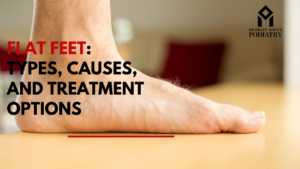
Flat feet, also known as flatfoot or fallen arches, occur when the arches of your feet collapse and the entire sole touches the ground. This lack of arch support can disrupt alignment from your feet up to your knees, hips, and lower back. Over time, this may cause pain and stiffness not just in your feet but throughout your legs.
There are two main types of flat feet: flexible and rigid.
- Flexible flat feet appear normal when you’re sitting or standing on your toes, but flatten when you stand or walk. This type often develops in childhood and may not cause symptoms until adulthood.
- Rigid flat feet remain flat at all times and can result from bone or joint abnormalities. This condition is often more painful and limits movement.
Both types can lead to similar problems, especially if left untreated.
Common Causes of Flat Feet Problems
Flat feet can develop for various reasons. In many cases, it’s a combination of genetics, lifestyle factors, and wear over time.
1. Genetic Factors
Some individuals inherit a natural tendency toward flat feet. If your parents or grandparents had fallen arches, you may be more likely to develop them as well.
2. Injury or Trauma
An ankle sprain, fracture, or tendon injury can weaken the structures that support your arch. Once damaged, these tissues may not regain full strength, leading to permanent flattening.
3. Posterior Tibial Tendon Dysfunction (PTTD)
This tendon plays a key role in maintaining your arch. When it becomes inflamed or torn, the arch collapses gradually, causing pain along the inner ankle and foot.
4. Medical Conditions
Chronic conditions like arthritis, diabetes, or obesity can contribute to flat feet problems by affecting joint health, nerve function, and overall stability.
5. Age and Weight
As we age, ligaments lose elasticity, and muscle tone declines. Extra body weight compounds this effect, putting additional stress on the arches and leading to gradual flattening.
Recognizing the Symptoms of Flat Feet
Not all flat feet cause pain, but when symptoms appear, they can significantly impact your quality of life.
Common signs include:
- Aching or burning pain along the inner side of the foot or ankle
- Swelling around the arch or heel
- Pain that worsens with long periods of standing or walking
- Difficulty standing on tiptoes
- Uneven shoe wear or a tendency for feet to roll inward (overpronation)
Left untreated, flat feet problems can lead to secondary conditions such as plantar fasciitis, Achilles tendonitis, or knee and back pain due to poor alignment.
How Podiatrists in Chicago Diagnose Flat Feet Problems
A podiatrist begins with a detailed physical examination, observing your foot structure both while standing and sitting. They may ask you to walk to evaluate how your feet move and how your arches respond to weight.
In some cases, imaging tests like X-rays, CT scans, or MRIs may be ordered to assess the bones, joints, and tendons in greater detail. These diagnostics help identify whether the problem stems from structural deformities, muscle weakness, or tendon damage.
The goal is to pinpoint the root cause so your treatment plan addresses both pain relief and long-term correction.
Effective Treatment Options for Flat Feet Problems
Treatment for flat feet depends on severity and symptoms. Podiatrists in Chicago typically begin with conservative options before considering surgery.
1. Custom Orthotics
Orthotic inserts are among the most effective ways to support fallen arches. Custom-made orthotics are designed to fit your feet precisely, improving alignment and reducing strain on tendons and joints.
2. Supportive Footwear
Wearing shoes with firm arch support and cushioning can make a dramatic difference. Avoid flimsy or unsupportive footwear like flip-flops or ballet flats, especially if you’re on your feet all day.
3. Physical Therapy and Exercises
Strengthening and stretching exercises can help rebuild the muscles that support your arches. Therapists may recommend specific movements to enhance flexibility and improve balance.
4. Weight Management
Maintaining a healthy weight helps minimize pressure on your feet. Even a small reduction in body weight can significantly relieve symptoms associated with flat feet problems.
5. Medication and Injections
For inflammation or tendon pain, podiatrists may suggest anti-inflammatory medications or corticosteroid injections for temporary relief.
6. Surgical Treatment
If conservative treatments fail, surgery may be considered. Procedures can involve tendon repair, bone realignment, or joint fusion. Modern surgical techniques have improved recovery times and outcomes, allowing patients to regain natural arch function.
Living Comfortably with Flat Feet
Managing flat feet problems isn’t just about medical treatment—it’s about lifestyle changes. Simple habits can make a big difference:
- Stretch your feet daily before and after activity.
- Replace worn-out shoes regularly.
- Use arch-supporting insoles in all footwear, including athletic shoes.
- Avoid prolonged standing when possible.
Many Chicago patients find that combining custom orthotics with exercise and proper footwear allows them to stay active and pain-free.
FAQs About Flat Feet Problems
1. Can flat feet cause knee or back pain?
Yes. When your arches collapse, your feet roll inward, disrupting alignment through the legs and spine. This imbalance can lead to knee, hip, or lower back discomfort.
2. Do children with flat feet need treatment?
Most children have flexible flat feet that improve naturally with age. However, if your child experiences pain or balance issues, consult a podiatrist for evaluation.
3. Are custom orthotics worth it?
Absolutely. Custom orthotics provide targeted support tailored to your unique foot structure, offering better comfort and long-term correction than store-bought inserts.
4. When should I see a podiatrist for flat feet problems?
If you experience persistent pain, swelling, or difficulty walking, it’s time to consult a podiatrist. Early intervention prevents complications and preserves mobility.
5. Is surgery necessary for flat feet?
Surgery is reserved for severe or rigid flat feet cases when conservative methods don’t help. Most people find relief through non-surgical treatments.
Conclusion
Flat feet problems can range from mild discomfort to chronic pain that affects mobility and posture. The good news is that effective treatments are available. With guidance from experienced podiatrists in Chicago, you can restore balance, relieve pain, and get back to an active lifestyle.
If you’re struggling with flat feet symptoms, schedule an appointment with Michigan Avenue Podiatry. Our specialists use advanced diagnostic tools and customized treatment plans to help you move comfortably and confidently. Proper care today can prevent complications tomorrow—your feet deserve the best support possible.
Call Us Today: 312-701-0770
Visit Us:
Podiatrist in Chicago Downtown

Michigan Avenue Podiatry Clinic
Board-certified podiatrists & foot surgeons serving Chicago, Elmhurst, Flossmoor & Tinley Park. Featured in Forbes, CNN, The Wall Street Journal.