Winter Foot Care Tips for Residents of Tinley Park – What Every South-Suburb Should Know
When winter arrives in Tinley Park, the cold weather brings cozy nights, warm boots, and, unfortunately, new challenges for your feet. The drop in temperature, dry indoor heat, and slippery sidewalks can all take a toll on your foot health. Whether you’re walking to work, running errands, or enjoying outdoor winter activities, keeping your feet healthy and comfortable should be a top priority.
At Michigan Avenue Podiatry in Tinley Park, our podiatrists treat a variety of foot and ankle problems that become more common during the colder months. Here are some expert-approved tips to help you care for your feet this winter and prevent painful issues before they start.
1. Choose Proper Winter Footwear
The right footwear is your first line of defense against winter foot problems. Many people choose fashion over function and end up with sore, cold, or even injured feet. Your shoes should provide warmth, waterproof protection, and proper support.
Look for boots made of breathable yet insulated materials with non-slip soles to prevent falls on icy surfaces. A good pair of winter boots should also have enough room to move your toes comfortably and allow for warm socks without feeling tight. Wearing shoes that are too snug can restrict circulation and increase the risk of conditions like chilblains or frostbite.
If you’re unsure about the best type of footwear for your feet, a podiatrist in Tinley Park can help you find the right fit or even recommend custom orthotics for better support and comfort.
2. Keep Your Feet Clean, Dry, and Moisturized
Winter often leads to dry, cracked heels and itchy skin due to low humidity and indoor heating. To prevent this, wash your feet daily with mild soap and warm (not hot) water. Be sure to dry them thoroughly, especially between the toes, to avoid fungal infections like athlete’s foot.
After washing, apply a rich moisturizer to your feet to lock in hydration. Focus on the heels and soles, but avoid applying lotion between the toes, where excess moisture can promote bacterial growth. For those with diabetes, this step is even more critical, as dry, cracked skin can lead to infections or ulcers.
3. Don’t Ignore Circulation Issues
Cold temperatures can slow down blood flow to your feet, causing numbness, tingling, or discoloration. People with diabetes, peripheral artery disease, or poor circulation need to be especially cautious during winter.
Wearing thermal socks and avoiding tight shoes can help maintain circulation. When relaxing at home, try moving your ankles and toes frequently to promote blood flow. If you experience persistent numbness, color changes, or foot pain, it’s important to schedule an appointment with a Tinley Park podiatrist to rule out underlying issues.
4. Prevent Slips and Falls on Ice
One of the most common winter-related injuries is a sprained or fractured ankle caused by slipping on ice. Even a minor fall can lead to lingering pain if not treated properly.
Before stepping outside, check that your footwear has slip-resistant soles. You can also purchase ice grips or traction cleats that attach to your shoes for added stability. Walk carefully on snowy or icy surfaces and use handrails whenever possible. If you do experience a fall and notice swelling, bruising, or difficulty walking, seek prompt care at Michigan Avenue Podiatry. Early evaluation helps prevent long-term complications.
5. Keep Toenails Trimmed and Clean
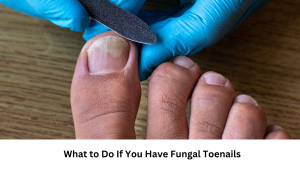
While toenail care might seem less important during winter, neglecting it can lead to discomfort or infection. Trim your nails straight across to prevent ingrown toenails and keep them clean to avoid fungal growth, which thrives in warm, moist environments like insulated boots.
If you have difficulty trimming your nails safely, especially if you have diabetes or poor vision, it’s best to have them professionally cared for by a podiatrist. Regular checkups can prevent small issues from turning into painful or serious conditions.
6. Watch for Warning Signs of Foot Problems
Winter can hide early signs of foot trouble. Thick socks and boots may mask symptoms like redness, blisters, or swelling. Check your feet regularly for changes in color, texture, or sensation.
If you notice any sores that don’t heal, persistent coldness, or sharp pain in your toes or heels, don’t ignore them. Early detection is key to preventing complications, especially for individuals with diabetes or circulation problems.
The podiatrists at Michigan Avenue Podiatry in Tinley Park can perform a thorough evaluation and provide customized treatment plans to keep your feet healthy through the season.
7. Schedule a Winter Foot Checkup
Just like you prepare your car for winter, your feet deserve the same attention. Regular checkups with a podiatrist can help detect problems early and ensure your footwear, circulation, and skin health are all in good shape for the cold months ahead.
At Michigan Avenue Podiatry – Tinley Park, our specialists offer comprehensive care for common winter foot concerns, including dry skin, heel pain, nail problems, and injury prevention. We combine advanced technology with personalized treatment to keep your feet pain-free and ready for anything winter brings.
Final Thoughts
Winter foot care is about more than just comfort—it’s about protection and prevention. By choosing proper footwear, moisturizing daily, and paying attention to circulation, you can avoid most cold-weather foot issues.
If you live in or around Tinley Park and experience persistent foot pain, dryness, or circulation problems this winter, visit Michigan Avenue Podiatry. Our team is here to help you maintain healthy feet all season long with professional, compassionate care.
FAQs
Q1: Why do my feet hurt more in winter?
Cold weather can reduce circulation, leading to stiffness, numbness, or pain in your feet. Wearing proper shoes and keeping your feet warm can help. If pain persists, visit a Tinley Park podiatrist for an evaluation.
Q2: How can I prevent cracked heels during winter?
Apply a rich moisturizer daily after washing and drying your feet. Avoid walking barefoot indoors, and wear supportive shoes to reduce pressure on your heels.
Q3: When should I see a podiatrist for winter foot problems?
If you notice persistent pain, swelling, numbness, or cracks that don’t heal, it’s time to see a podiatrist. Early treatment can prevent complications, especially for diabetic patients.
Q4: What type of socks are best for winter foot care?
Choose moisture-wicking, thermal socks made from wool or synthetic blends. They keep your feet warm while preventing excess sweat and fungal infections. Avoid tight socks that restrict blood flow.
Q5: Can cold weather make plantar fasciitis worse?
Yes. Cold temperatures can tighten your muscles and tendons, increasing heel pain from plantar fasciitis. Gentle stretching, warm footwear, and supportive insoles can help relieve discomfort.
Call Us Today: 312-701-0770
Visit Us:
Podiatrist in Chicago Downtown

Michigan Avenue Podiatry Clinic
Licensed podiatrists & foot surgeons serving Chicago, Elmhurst, Flossmoor & Tinley Park. Featured in Forbes, CNN, The Wall Street Journal.